 pea






There is no special PCOS diet. The 2023 international guideline, which also covers PMOS (the new name for PCOS), found no evidence that one diet works better than another, and says any healthy way of eating in line with general guidelines has benefits.1 So a PCOS diet is everyday healthy eating that fits your tastes: vegetables, fruit, whole grains, beans and other protein foods, with less of what is high in fat, salt and sugar.2
Three things to know
- The guideline tells no one with PCOS to cut a food.
- Keep fruit juice and smoothies to 150 mL a day in total.
- Low-carb and low-GI plans are options, not PCOS rules.
The guideline also warns against unduly strict, unbalanced diets, and says changes should fit your own food preferences.1 The NHS lists a healthy, balanced diet among the things you can do to help PMOS symptoms.3
What should I eat with PCOS?
Eat from every food group. The NHS Eatwell Guide, one example of the general guidelines the PCOS guideline points to, puts fruit and vegetables at just over a third of what you eat, starchy foods at just over a third, and adds some protein foods, some dairy and small amounts of unsaturated oils.2
Its food groups in full:
| Food group | How much | Examples |
|---|---|---|
| Fruit and vegetables | At least 5 portions a day, just over a third of what you eat | Fresh, frozen, canned or dried |
| Starchy foods | Just over a third, higher-fiber or whole-grain where you can | Potatoes with the skin on, whole-wheat bread, brown rice, whole-wheat pasta |
| Beans, pulses, fish, eggs, meat and other protein | Some, with at least 2 portions of fish a week, 1 of them oily | Lentils, chickpeas, tofu, eggs, salmon, chicken |
| Dairy or alternatives | Some, lower-fat and lower-sugar options | Milk, yogurt, cheese, soy drinks |
| Oils and spreads | Small amounts of unsaturated ones | Olive, canola or sunflower oil |
| Foods high in fat, salt and sugar | Less often and in small amounts | Cakes, chips, sweets, sugary drinks |
Drink 6 to 8 cups or glasses of fluid a day, and keep fruit juice and smoothies to 150 mL a day in total. You do not need this balance at every meal. The Eatwell Guide says to get it right over a day or even a week.2 PCOS smoothies shows one way to add protein to a smoothie.
 Vegetables and fruit
 Starchy foods
 Beans and protein
 Dairy or alternatives
 Oils, a little
What is the best diet for PCOS?
The one you can keep up. The guideline says there is no evidence that any one type of diet is better than another for weight, metabolic, hormonal, fertility or mood results in PCOS. It asks doctors to advise healthy eating you can keep, fitted to your own tastes and goals.1
Jean Hailes, an Australian women’s health charity, says the same: there is no evidence that any specific diet is best for PMOS.4
What foods should I avoid with PCOS?
No food is off limits for everyone with PCOS. The guideline tells no one with PCOS to cut a food, and warns against diets that are unduly strict.1 The Eatwell Guide’s advice for everyone is to eat foods high in fat, salt and sugar less often and in smaller amounts.2
Gluten, dairy and fruit are not ruled out by the guideline either.
Is a low-GI diet good for PCOS?
It is one option, not a PCOS rule. The guideline found no evidence that any one mix of carbs, fat and protein is better than another for PCOS. A low-GI plan can be a healthy way to eat if it fits the general guidelines and you can keep it up.1
The Eatwell Guide also suggests higher-fiber or whole-grain starchy foods, such as whole-wheat pasta and brown rice, and potatoes with the skins on.2 Rice and PCOS compares white, brown and basmati rice.
Do I have to cut carbs with PCOS?
No. A low-carb or keto plan is one option among many, and the guideline found no evidence that it works better than other ways of eating for PCOS. It says to avoid unduly strict and unbalanced diets.1
The Eatwell Guide puts starchy foods at just over a third of what you eat.2
Is a Mediterranean or anti-inflammatory diet better for PCOS?
The guideline does not name either one as better. Its finding is that no type of diet has been shown to beat another for PCOS, and that any way of eating in line with general healthy-eating guidelines has benefits.1
Vegetables, beans and lentils, whole grains, fish, and unsaturated oils such as olive oil are all in the Eatwell Guide.2 Pick the way of eating you enjoy and can keep up.1
Which high-fiber foods fit a PCOS diet?
Beans, lentils, chickpeas, whole grains, fruit and vegetables. The Eatwell Guide calls fruit and vegetables a good source of fiber, and beans, peas and lentils a good source of fiber and protein.2
These recipes on this site have 12 g of fiber or more per serving, from their nutrition panels:
| Recipe | Fiber | Protein | Time |
|---|---|---|---|
| Lentil Bolognese | 16 g | 25 g | 40 min |
| Black Bean Sweet Potato Chili | 15 g | 13 g | 35 min |
| Chickpea and Spinach Coconut Curry | 14 g | 19 g | 25 min |
| Turkey and Black Bean Chili | 13 g | 38 g | 45 min |
| Beef and Black Bean Burrito Bowl | 13 g | 40 g | 20 min |
| Tofu and Pea Curry | 13 g | 35 g | 35 min |
| Smoky Beans on Seeded Toast | 13 g | 16 g | 15 min |
| Soy Yogurt Chia Parfait | 12 g | 16 g | 5 min |
Is there a PCOS food list?
Not an official one. The food group table above is the closest: a list by group, not a list of good and bad foods. The guideline tells no one with PCOS to cut a food.1 For a list to shop from, the PCOS grocery list sorts everyday foods into four groups.
What does a day of PCOS meals look like?
One example from this site’s recipes: overnight oats with protein for breakfast, a salmon and brown rice bowl for lunch, lentil bolognese for dinner, and apple slices with peanut butter as a snack. Swap any of them for food you like. The 30-30-30 rule looks at a breakfast with more protein.
To plan a whole week and get one shopping list, try the free PCOS meal planner. To cook from what is in your kitchen, try “What can I cook?”. For a work lunch, see PCOS lunch ideas.
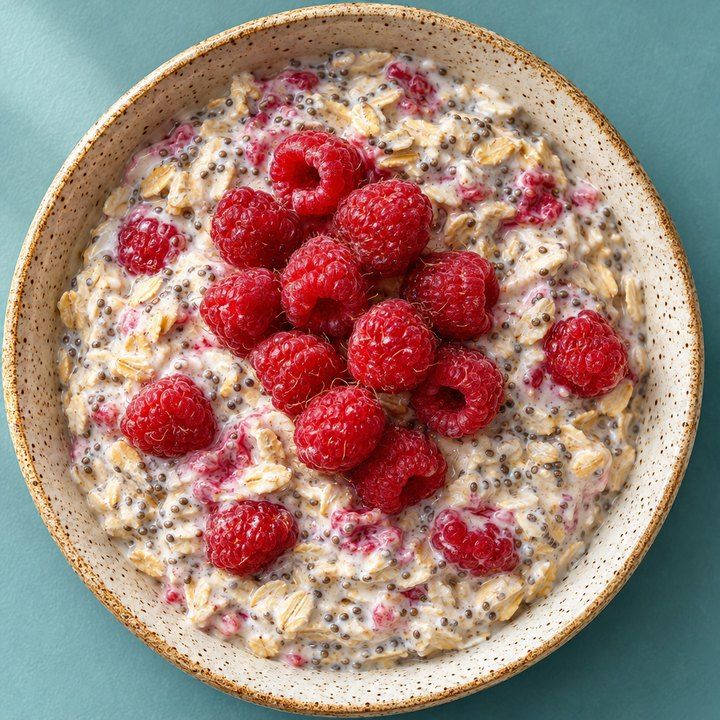 Recipe · 5 minOvernight Protein Oats
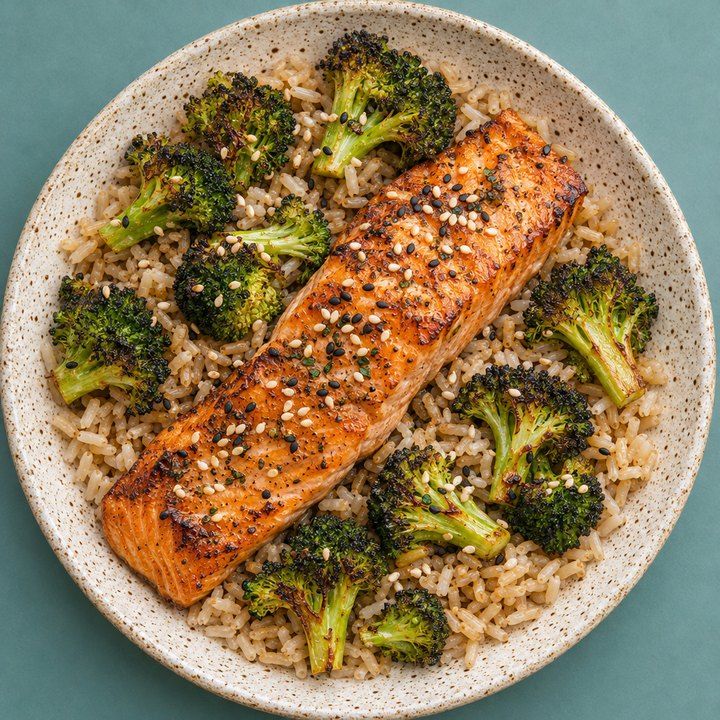 Recipe · 20 minSalmon, Broccoli and Brown Rice Bowl
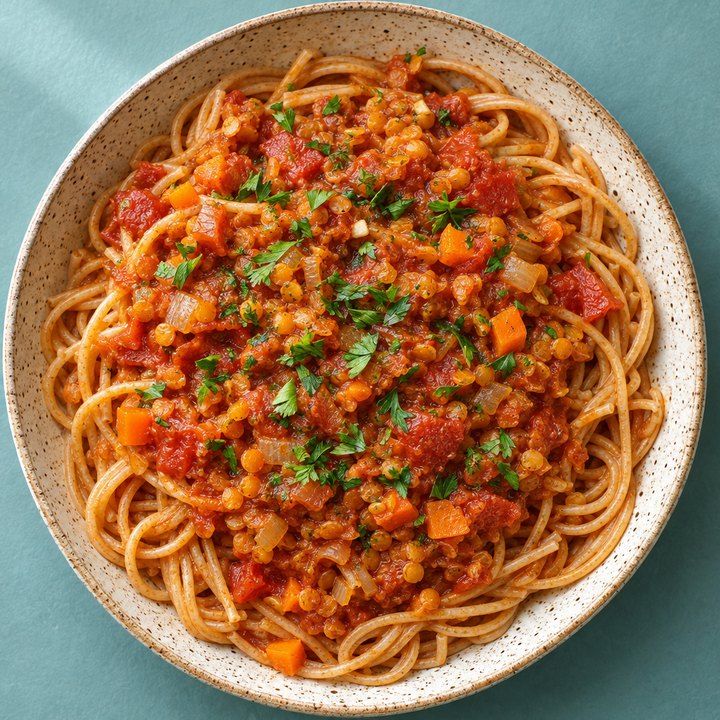 Recipe · 40 minLentil Bolognese
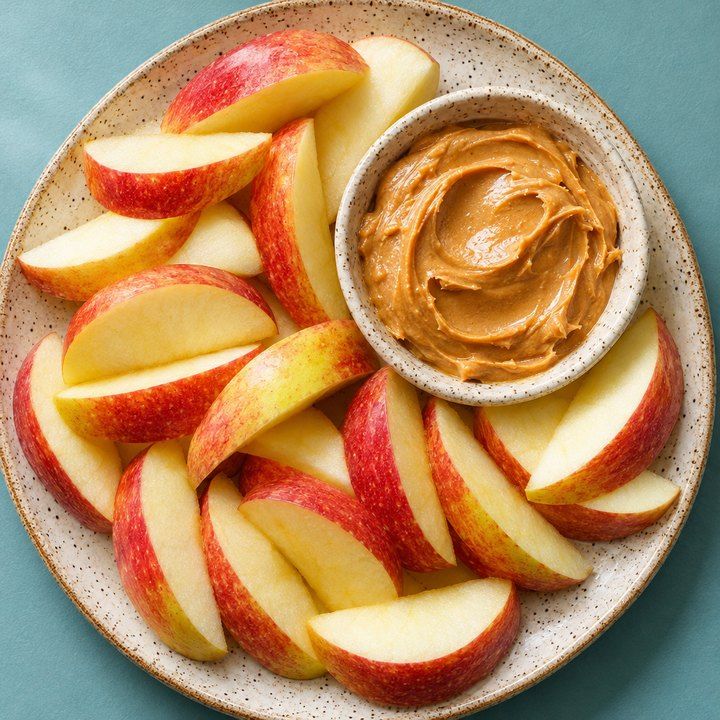 Recipe · 5 minApple Slices with Peanut Butter
Is a PMOS diet different?
No. PMOS is the new name for the same condition, so a “PMOS diet” is the same eating advice.4 In India, the same condition is often called PCOD: see PCOD vs PCOS and the Indian recipes.
Can a PCOS diet help with weight loss?
Healthy eating and activity are recommended for everyone with PCOS, to help with general health, body shape and weight, including keeping weight steady and modest weight loss. They help even if your weight does not change. If weight loss is your goal, the guideline says a doctor could set a calorie deficit tailored to you.1
PCOS weight loss covers the activity amounts and medicines, and PCOS belly covers waist size.
Should I see a dietitian for PCOS?
If you can, yes. Jean Hailes suggests working with a range of health professionals, such as a dietitian, to make a plan that is right for you.4 The guideline says referral to a trained health professional should be considered when you need support with eating changes.1
If eating has become stressful, or you have cut out foods and feel worse, tell your doctor. The guideline asks doctors to consider disordered eating in PCOS at any weight.1
More PCOS food guides
- PCOS grocery list: what to buy for a week.
- PCOS meal planner: plan 7 days and print the shopping list.
- PCOS lunch ideas: lunches for home and work, with protein and fiber.
- Low-effort PCOS meals: for the days you can’t cook.
- Rice and PCOS, PCOS smoothies and the 30-30-30 rule.
- Eating out: McDonald’s, Taco Bell and Chick-fil-A.
- Recipes: breakfast, dinner, snacks and vegetarian.
Sources
- J Clin Endocrinol Metab. Recommendations from the 2023 International Evidence-based Guideline for the Assessment and Management of Polycystic Ovary Syndrome. Published 15 August 2023. Recommendations used on this page: 2.5.1, 3.1.2, 3.1.5, 3.1.6, 3.3.1, 3.3.2, 3.3.3, 3.3.4.
- NHS. The Eatwell Guide. Reviewed 29 November 2022.
- NHS. Polyendocrine metabolic ovarian syndrome (PMOS). Reviewed 30 June 2026.
- Jean Hailes for Women’s Health. Polyendocrine metabolic ovarian syndrome (PMOS). Updated 21 May 2026.
Sources checked 15 November 2026.
In Pea, a photo of a meal like these gets a score out of 100 and the one change that would raise it. Get Pea for iPhone