 pea






Three things to know
- We found no study of the 30-30-30 rule, in PCOS or in anyone else.
- There is no PCOS protein target: no diet has been shown to beat another.
- The guideline backs the activity part: at least 30 minutes on most days.
The 30-30-30 rule means eating 30 g of protein within 30 minutes of waking, then doing 30 minutes of low-intensity exercise. We found no study of it in PCOS, now also called PMOS, and UCLA Health says the plan has not been the subject of any major scientific studies.1 Its two parts, breakfast and daily activity, fit what the 2023 PCOS guideline recommends, but the numbers and the timing are not PCOS rules.2
So treat it as one way to build a morning habit, not as a PCOS treatment.
What is the 30-30-30 rule?
It spread on TikTok and has three steps: eat 30 g of protein at breakfast, eat it within 30 minutes of waking, then do 30 minutes of low-intensity, steady exercise, such as a brisk walk at a pace where you can still talk.1
Does the 30-30-30 rule work for PCOS?
Not that we can find. We searched PubMed on 15 November 2026 and found no study of the 30-30-30 rule in PCOS or in anyone else. What the guideline does say is that healthy eating and activity are recommended for everyone with PCOS, and that they help even when weight does not change. It also says no diet has been shown to beat another for PCOS.2
Is 30 g of protein at breakfast good for PCOS?
There is no PCOS protein target: the guideline found no evidence that any one mix of protein, carbs and fat is better than another.2 The Pea app scores a meal higher when protein comes with the carbs. That comes from two small lab studies of healthy adults, where protein added to a sugar drink lowered the blood sugar rise. They used drinks, not meals, and did not look at PCOS.34 UCLA Health says there is likely no magic in exactly 30 g, but a high-protein breakfast keeps you fuller for longer than one made mostly of carbohydrate.1
Does the exercise part count?

Yes, and it is the part the guideline backs most clearly. It asks adults to aim for 150 to 300 minutes of moderate activity a week, plus muscle-strengthening on 2 days that are not back to back, and it says some activity is better than none. It suggests aiming for at least 30 minutes on most days, in bouts of at least 10 minutes.2 A 30-minute walk on five days makes 150 minutes. UCLA Health notes that most guidelines ask for moderate activity, which is more than the low-intensity exercise the rule calls for.1
Does the timing matter?
No source we found shows that eating within 30 minutes of waking matters. UCLA Health says the evidence on when to exercise for weight loss is inconclusive.1 If you are not hungry when you wake, a later breakfast with protein is fine as Pea’s suggestion.
Four breakfasts with 30 g of protein or more
From this site’s recipes, per serving, estimated from the ingredients: Turkish eggs with garlic yogurt and chickpeas (35 g, 20 minutes), turkey and apple sage patties with kale (33 g, 25 minutes), cinnamon French toast with raspberries (32 g, 15 minutes) and a turkey and egg breakfast wrap (30 g, 15 minutes).
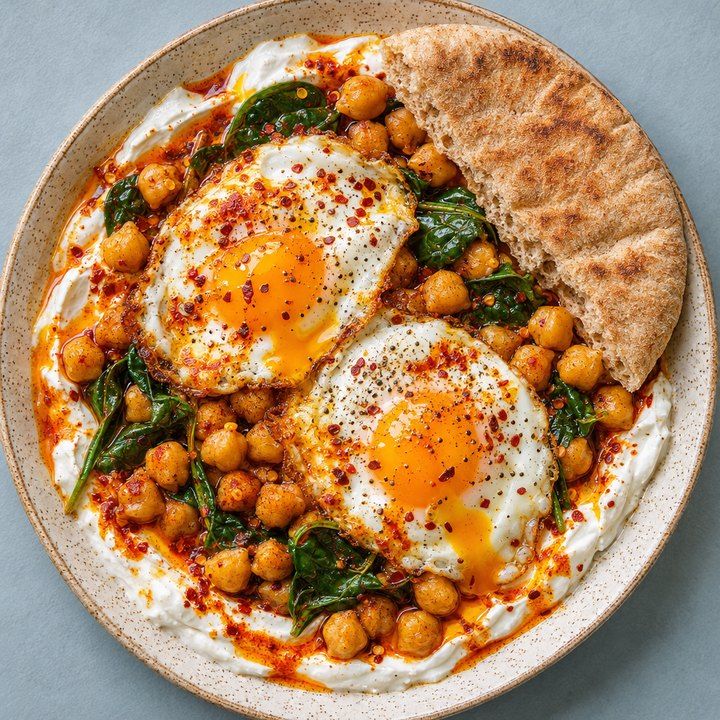 Recipe · 20 minTurkish Eggs with Garlic Yogurt and Chickpeas
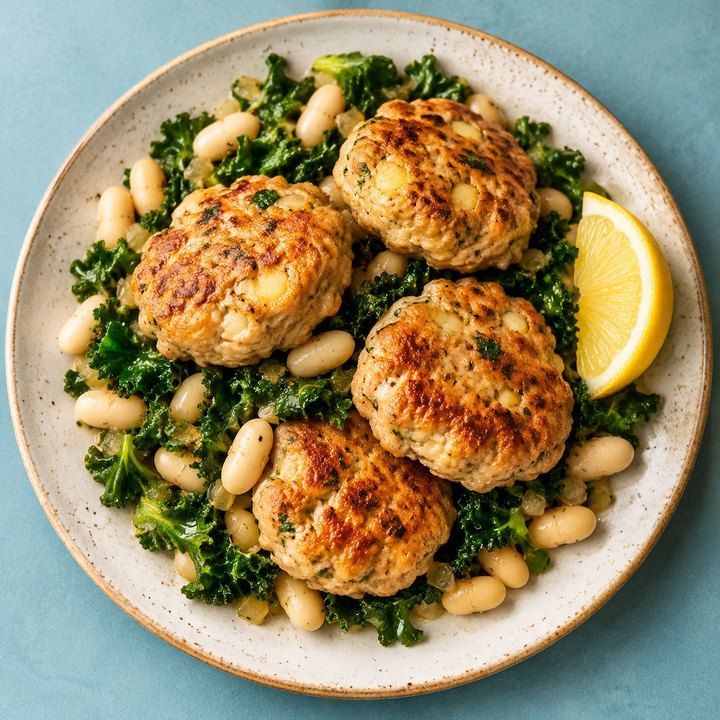 Recipe · 25 minTurkey and Apple Sage Patties with Kale
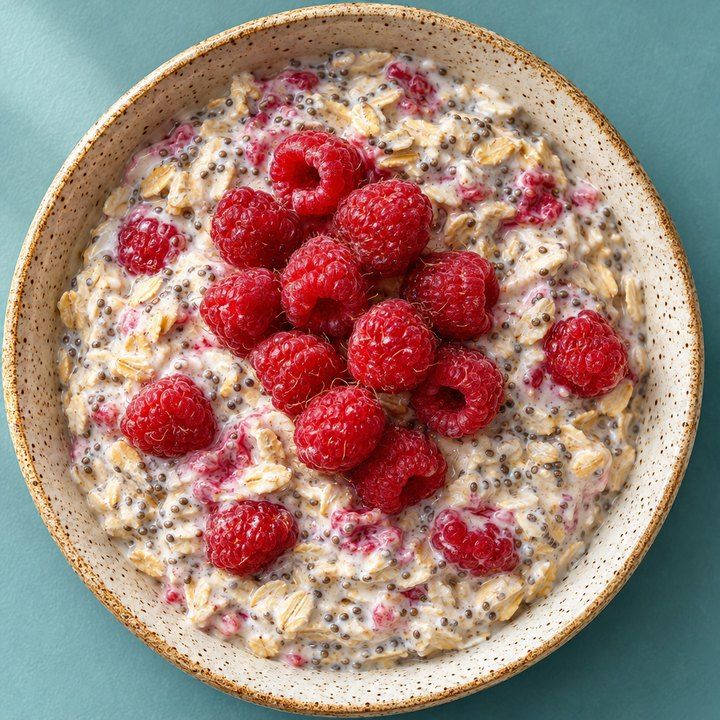
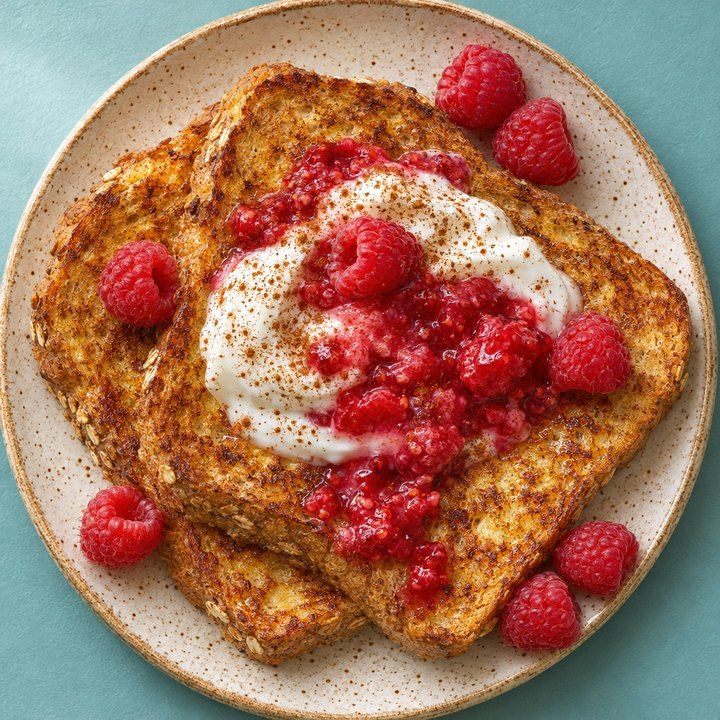 Recipe · 15 minCinnamon French Toast with Raspberries
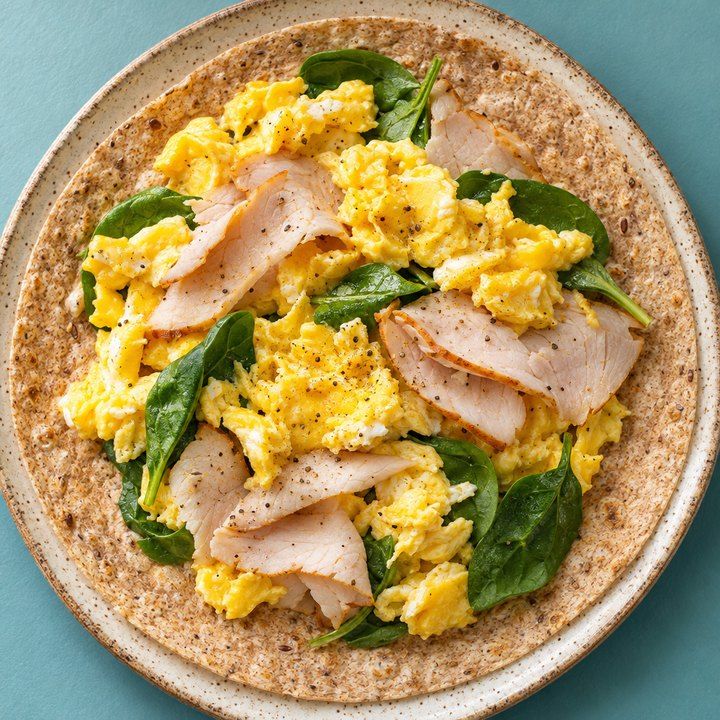 Recipe · 15 minTurkey and Egg Breakfast Wrap
Who should be careful?
If a rule about food or exercise starts to feel like pressure, stop and tell your doctor. The guideline asks doctors to consider eating disorders and disordered eating in PCOS at any weight.2 For more ideas, see PCOS breakfast recipes and the PCOS diet.
Sources
- UCLA Health. What is the 30-30-30 rule?. 8 August 2024.
- J Clin Endocrinol Metab. Recommendations from the 2023 International Evidence-based Guideline for the Assessment and Management of Polycystic Ovary Syndrome. Published 15 August 2023. Recommendations used on this page: 2.5.1, 3.1.2, 3.1.5, 3.3.1, 3.4.3, 3.4.5.
- The Journal of Nutrition. The effects of fat and protein on glycemic responses in nondiabetic humans vary with waist circumference, fasting plasma insulin, and dietary fiber intake. October 2006.
- The American Journal of Clinical Nutrition. The hypoglycemic effect of fat and protein is not attenuated by insulin resistance. January 2010.
Sources checked 15 November 2026.
In Pea, a photo of a meal like these gets a score out of 100 and the one change that would raise it. Get Pea for iPhone